
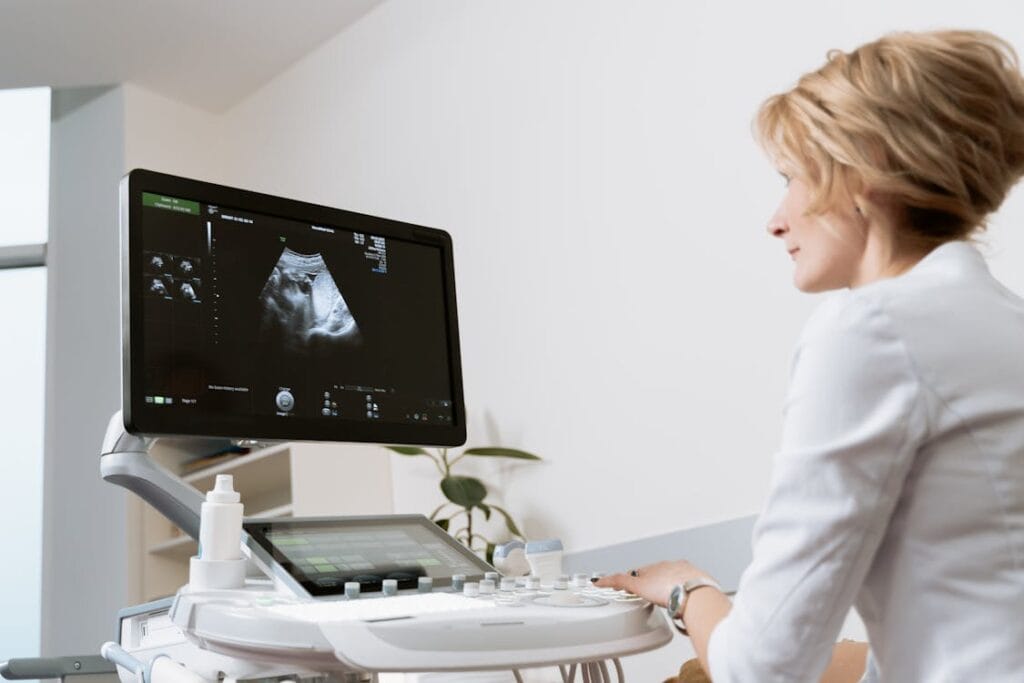
Artificial intelligence is reshaping how imaging centers handle daily tasks, from front desk work to reading complex scans. Machines now help sort priorities, flag critical findings and free staff to focus on direct patient care.
The shift is practical and immediate in many clinics, touching scheduling, image capture, interpretation and follow up. That shift also raises questions about roles, trust and how best to blend human judgment with machine assistance.
Automation Of Scheduling And Workflows
AI systems can read appointment histories and referral notes to suggest slots that match procedure needs and staff availability, cutting the back and forth that often fills clinic calendars. By spotting no show patterns and offering tailored reminders through text or email, these tools reduce empty chairs and keep imaging machines busy rather than idle.
Automation can also route pre scan checklists or consent forms to patients so technicians begin studies with fewer interruptions and clearer prep. Clinics report smoother days when routine admin chores move from people to code, letting staff attend to exceptions and human concerns.
Image Acquisition And Quality Control
Smart algorithms can recommend scanning parameters based on patient size, prior exams and the clinical question, which helps technologists capture useful images the first time around. Real time feedback during acquisition catches motion blur, poor contrast or missing coverage and prompts a quick repeat while the patient is still in the room.
After the study, automated quality control flags images that fall below set thresholds so a radiographer can review and decide if rescans are needed. These improvements also support reducing handoffs across the patient journey, since fewer corrections and rescheduled exams mean patients move smoothly from scan to interpretation and follow up.
AI Assisted Image Interpretation

Computer aided detection tools scan images for patterns that correlate with common pathologies and highlight areas for radiologist review, acting like an attentive second set of eyes. Triage models can rank studies so urgent cases appear at the top of reading lists, helping teams respond faster when seconds count.
Rather than replace judgment, the software tends to augment it, pointing out subtle signs that might otherwise be missed during heavy reading sessions. When paired with an experienced reader the result is a blend of speed and vigilance that benefits patient care.
Operational Efficiency And Resource Planning
Predictive models analyze historical usage and patient flow to suggest staffing levels and scan schedules that match demand peaks and lulls, which avoids long lines at reception and idle technicians. Inventory tools forecast supply needs for contrast agents and disposables so orders arrive before stockouts become a problem and costly delays occur.
When maintenance windows are predicted based on equipment logs, centers can plan downtime at low impact times and keep back up options ready. These planning nudges help centers run more like well oiled machines rather than feeling reactive to whatever the day throws at them.
Patient Experience And Communication
AI driven chat or voice systems can answer routine pre appointment questions, collect basic health history and tell patients what to expect, which lowers anxiety and reduces time at check in. Personalized follow up messages can explain results in plain language and link to the radiology team for questions, making patients feel seen rather than left in the dark.
Visual aids and annotated images produced by tools can help clinicians explain findings, turning abstract scans into teachable moments that stick with people. When systems handle the repetitive asks, staff find more space to show empathy and handle the tougher conversations.
Data Management And Regulatory Compliance
Automated tagging of studies with standardized labels and metadata helps keep large image archives searchable and ready for audits or multidisciplinary review without manual filing. Algorithms enforce retention schedules and access rules, logging who saw what and when so centers can demonstrate proper stewardship of patient records.
When data is pooled for quality review or research the same automation can strip identifiers and track consent, letting teams reuse material while lowering privacy risk. Clear records and repeatable steps reduce the friction around inspections and reporting.
Workforce Impact And Training
As routine tasks migrate to code, staff roles shift from repetitive functions toward oversight, interpretation and patient facing care, a change that calls for new training and role clarity. Radiographers and technologists need hands on education about how algorithms make recommendations and when human override is appropriate to keep safety front and center.
Cross training that combines clinical skill with basic data literacy helps teams work with tools instead of around them, and that reduces frustration. With the right support people can move into higher value work where their experience has the most effect.
Emerging Technologies And Integration Challenges
New machine learning models promise richer image enhancement, faster reconstruction and better multimodal fusion that link scans with lab results and prior reports to paint a fuller picture of a patient state. Bringing those tools online often requires careful work to match vendor components, secure data pipelines and align workflows so staff do not face brittle systems that interrupt care.
Validation and ongoing monitoring are essential because models can drift as population mix and scanner types change, which means a steady eye must guard against slips in performance. Successful integration feels less like a single big leap and more like many small steps that keep patients and staff at the center of progress.
