
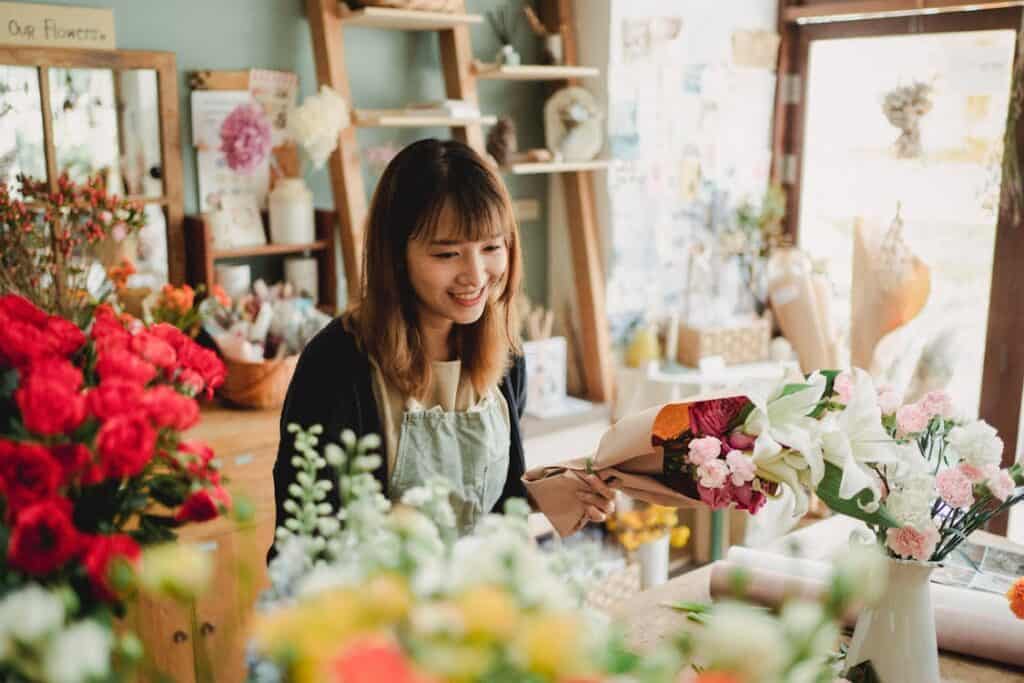
There’s a piece of infrastructure in Toronto’s flower economy that most people who buy from local shops never think about, but that shapes the freshness, variety, and pricing of almost everything they order. It runs one Saturday a month from May through October, at CAMH on Queen Street West, and this year it returned for its 13th season with more vendors than it has ever had. What’s changed since the market launched isn’t just the vendor count. It’s what buyers — both retail shoppers and the florists who source through it — now expect from the flowers they purchase the rest of the year.
The Toronto Flower Market opened its 2026 season on May 9, with monthly dates running through October 10. The market operates as a direct-from-grower event, connecting Ontario flower farmers with the city without a wholesaler or distributor in the middle. Buyers shop from the people who grew the flowers. Florists who attend can source varieties that don’t move through conventional wholesale channels — specialty blooms, heirloom ranunculus, locally grown peonies, dahlias and lisianthus from farms an hour outside the city. The vendor list this season includes over 75 Ontario growers, the largest roster the market has assembled in its history.
What the Growth of the Vendor Roster Actually Signals
That scale matters because of what it signals about the Ontario cut flower farming community. In 2020, many of those growers planted less in anticipation of continued restrictions. Some discarded crops that had no buyers. The recovery since then has been gradual, and the 75-vendor figure for the past two seasons suggests the local growing sector has not only recovered but expanded. The farms participating range from large established operations with dedicated wholesale programs to small urban plots and single-crop specialists who bring a few varieties to market and sell out by noon. Both ends of that spectrum are producing for Toronto buyers in a way that wasn’t reliably possible five years ago.
The effect on buyer expectations is real and measurable. Shops and florists who source regularly through the market — and through the Local Flower Collective, which runs a parallel wholesale-to-designers program throughout the season — have been building customer relationships around provenance for several years. Buyers who have visited the market know which farms grow which varieties. They’ve spoken to the growers. They understand why a locally grown peony in June looks and performs differently from an imported one in November, and they’ve started asking their florists the same questions at the point of order.
How Sourcing Transparency Changes the Retail Conversation
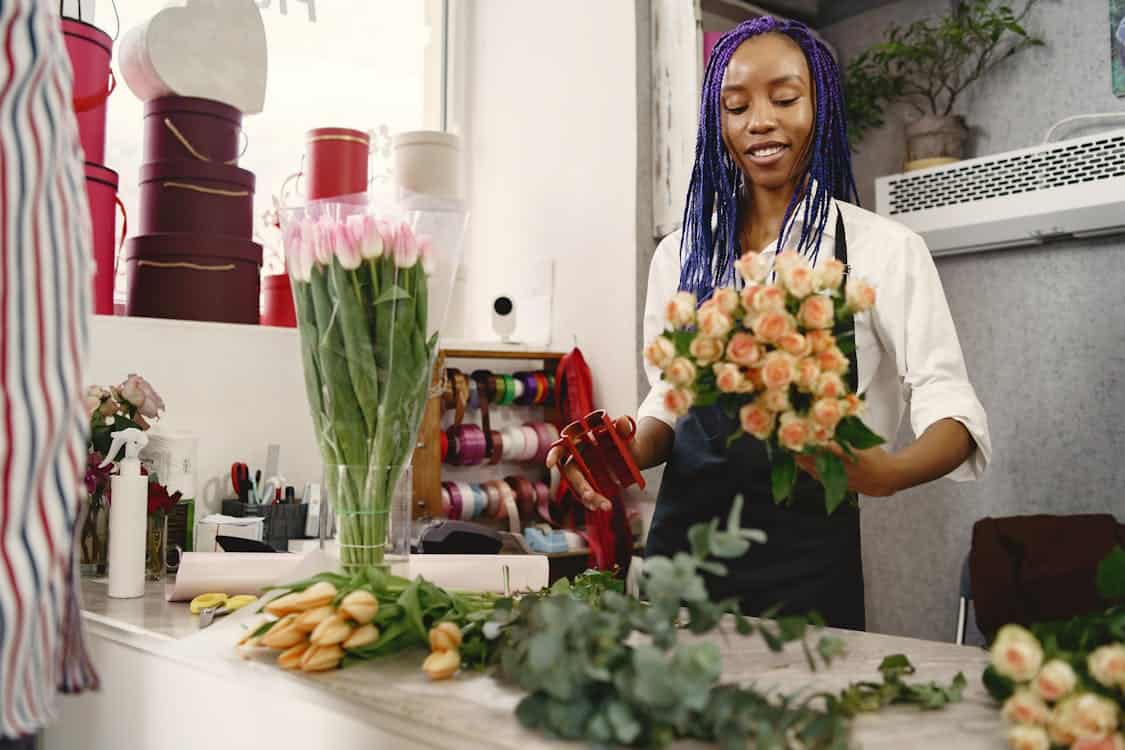
That shift in customer sophistication is changing how local shops communicate about their product. Shops that can speak to sourcing — that can tell a customer where the flowers were grown, when they were cut, and why that affects vase life — are having a different conversation than shops that can only describe the arrangement. The Toronto Flower Market’s growth has been one of the primary engines behind that shift, partly by educating retail buyers directly and partly by establishing that Ontario-grown flowers are a coherent category worth seeking out, rather than an incidental detail of inventory management.
Canadian florists also source internationally through direct import channels that bypass the US entirely — flowers from Colombia, Ecuador, and the Netherlands enter Canada without touching the American market, which means the tariff pressure currently disrupting American floral pricing has limited direct impact on what Canadian shops pay.
That competitive insulation, combined with the growing volume of locally produced Ontario flowers available through direct channels like the Toronto Flower Market, means GTA buyers are operating in a more favourable pricing environment than their counterparts in US cities right now. A locally grown stem purchased through a shop that attends the market also tends to last longer than an equivalent import, because local sourcing reduces the transit chain that degrades fresh flowers between cut and vase.
What the Provenance Story Means for the Florists Who Tell It
The direct-from-grower relationship changes how a shop communicates about its product at a fundamental level. A florist who has spoken with the person who grew the dahlias in a bridal centerpiece can tell that story to a client in a way that a shop sourcing through three layers of wholesale cannot. That provenance narrative matters differently to different customers, but in categories where the emotional stakes are high and the buying decision is rarely just about price — weddings, sympathy arrangements, milestone gifts — the ability to speak to where the flowers came from adds something to the transaction that is genuinely hard to replicate through conventional wholesale channels.
The 13th season of the Toronto Flower Market running at its largest-ever scale is a marker of something broader: a city whose flower economy has matured past the point where “local” was an aspiration and into a place where it’s an operating reality for a meaningful portion of what gets sold in GTA shops between May and October. The shops that have built their identity around that sourcing model have a more credibly differentiated product to offer because of it, and buyers who understand the difference are actively seeking out local florists in Toronto who can speak to it.
