
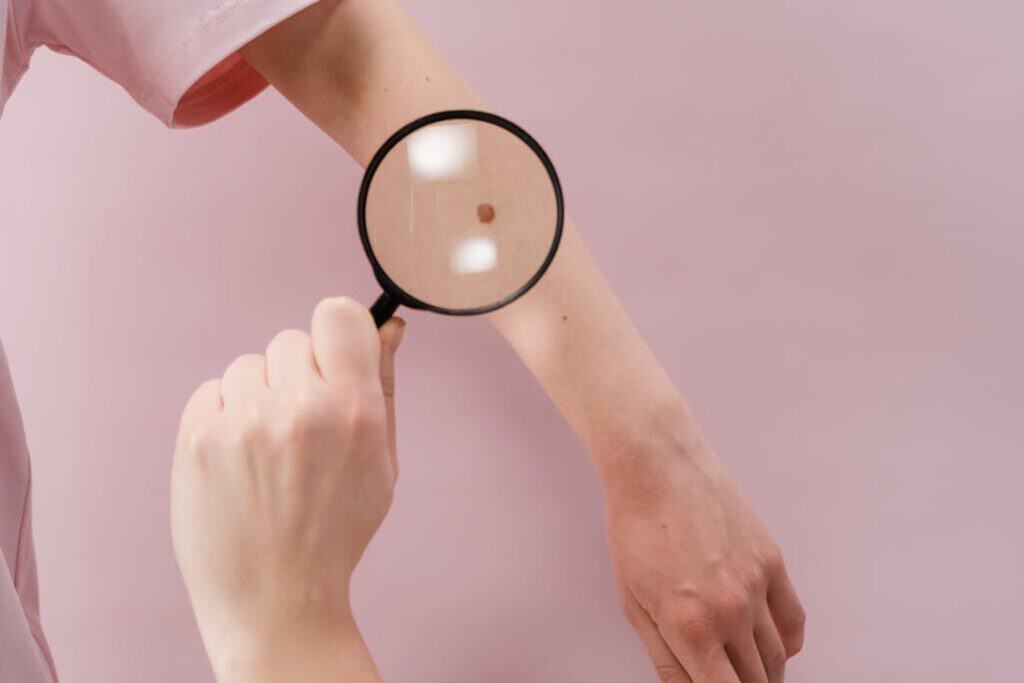
Australia screens for breast, bowel and cervical cancer, and is rolling out lung cancer screening. Given it leads the world in skin cancer, the obvious question is why there is no national melanoma screening program. The answer is more interesting than it first appears.
A major government-funded effort is now working through exactly this question.
The Overdiagnosis Dilemma
The instinct is that screening everyone would save lives, but the evidence is not that simple. Australian guidelines do not recommend whole-population melanoma screening, and the reason is a problem called overdiagnosis.
Universal screening would certainly find more melanomas, but some would be slow-growing cancers that might never have caused harm. Treating them brings stress, surgery and risk, without necessarily extending life, and it is hard to tell in advance which cancers are dangerous.
So instead of blanket screening, Australia has promoted sun protection, skin awareness, and regular checks for those at high risk, a targeted rather than universal approach.
The challenge is that this leaves the current system somewhat ad hoc, with skin checks delivered inconsistently and not always reaching the people who would benefit most.
Moving Toward Targeted Screening
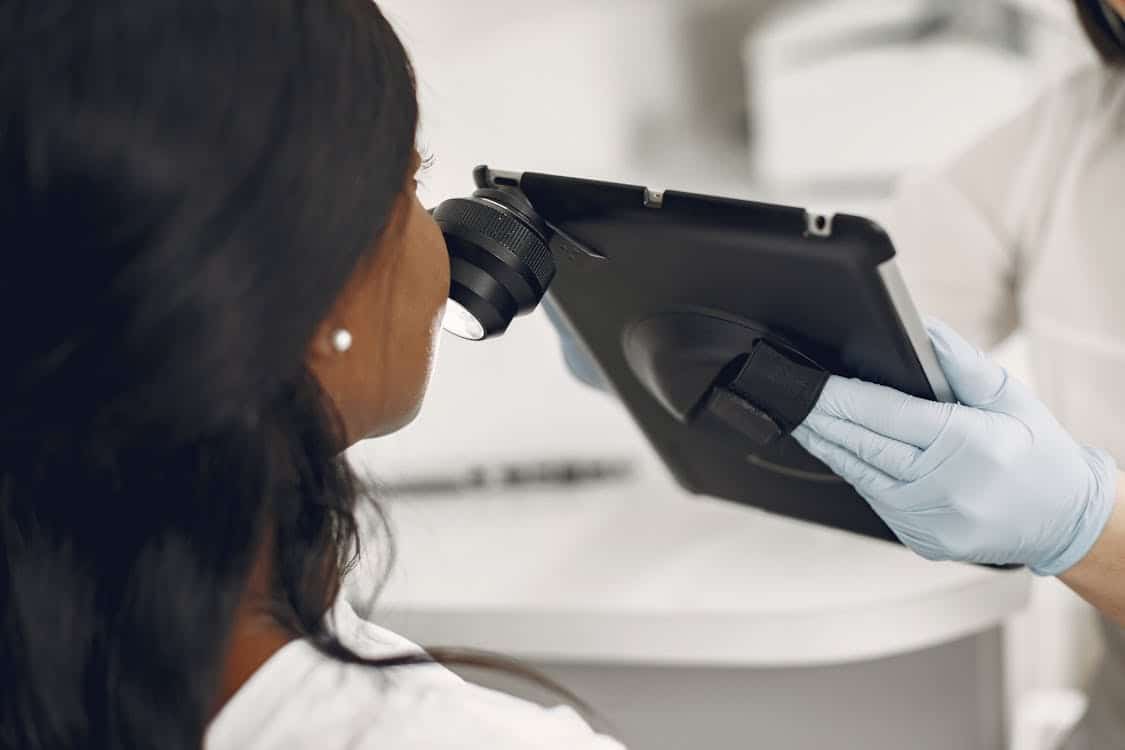
That may be changing. The federal government funded Melanoma Institute Australia to develop a Roadmap for a National Targeted Skin Cancer Screening Program, aimed at detecting melanoma earlier in higher-risk individuals while avoiding unnecessary harm in those at lower risk.
The emphasis is on risk-based screening: using tools like risk assessment, total-body photography and emerging AI to focus resources where they do the most good. Equity is a central concern, particularly for people in regional and disadvantaged communities.
It represents a shift from one-size-fits-all toward something more precise, and it acknowledges that the current confusing landscape needs structure.
What to Do in the Meantime
While the roadmap develops, the existing advice stands. People at higher risk, due to fair skin, family history, many moles, or past sun damage, benefit from regular professional skin examinations.
For everyone else, knowing your own skin and getting any new or changing spot assessed remains the practical front line. The absence of a universal program is not a reason to be passive about your own risk.
Knowing where to get a professional skin examination in Brisbane is especially useful for those who fall into higher-risk categories, since targeted vigilance is exactly what the evidence supports.
The debate over national screening is really a debate about doing more good than harm, and it is being taken seriously. Until a formal program arrives, risk-aware individual checking is both the recommended path and the one most likely to catch something early.
