
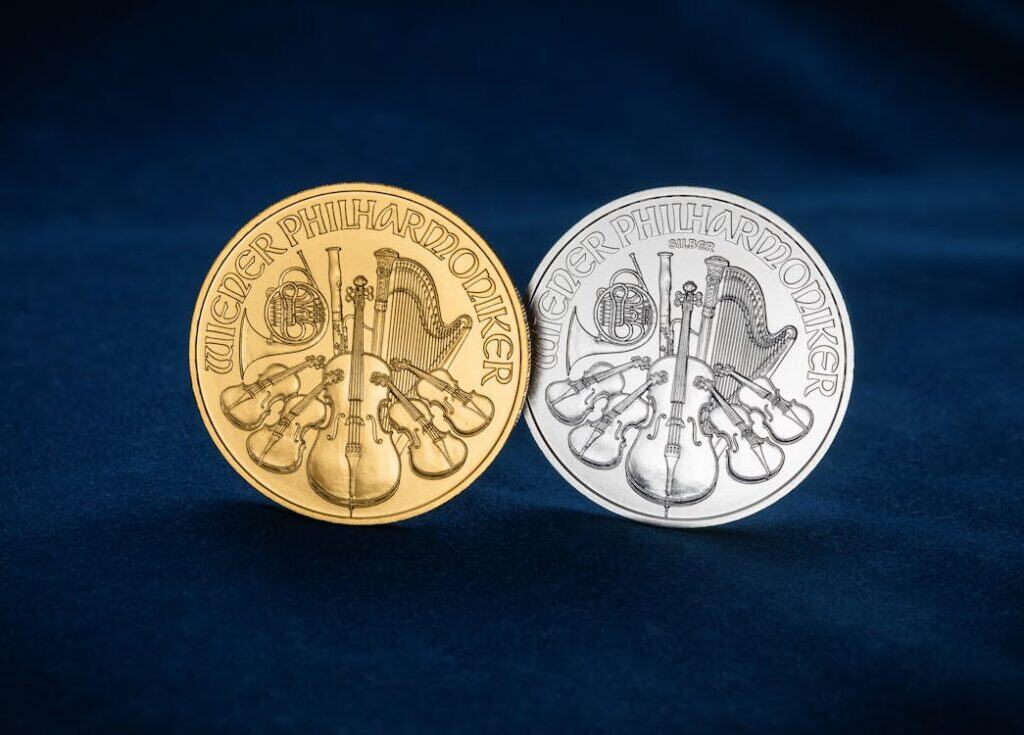
Gold and silver have held value in human societies for many centuries. Their appeal blends physical traits with cultural meaning and the mechanics of markets.
People prize them for beauty, durability, and usefulness in craft and technology. The following sections outline the main reasons those metals command attention and price.
Scarcity And Rarity
Both metals are rare in the earth crust, and that scarcity gives them baseline worth that few common materials enjoy. Even though silver is more plentiful than gold, both must be dug out from rock and processed, a task that takes time, energy, and skill.
Low natural abundance means new supply cannot flood the market overnight, so sudden spikes in demand push values higher. When something is hard to find, collectors, investors, and artisans all bid for it, which keeps prices elevated.
Physical Properties That Matter
Gold and silver resist corrosion and keep their shine over long spans of time, traits that make them ideal for items meant to last. Gold is extremely malleable and can be drawn into fine wires or beaten into very thin sheets for decorative work; silver is the best conductor of electricity of any metal and finds key uses in electronics.
Both metals combine beauty with practical function, a rare pairing that boosts their appeal to jewelers and engineers alike. Those physical qualities mean the metals serve both as adornment and as components in devices that touch daily life.
Cultural And Historical Value
Across many cultures gold has symbolized wealth, power, and ceremony, while silver has been linked to currency and ornament for millennia. Historical continuity matters: coins, crowns, and sacred objects forged from these metals pass value and trust from one generation to the next.
That long view creates a shared belief that the metals preserve worth, a social construct that complements their material features. When a society agrees an object is valuable, its perceived value can become self reinforcing, and that social force helps sustain market demand.
Usability In Jewelry And Industry
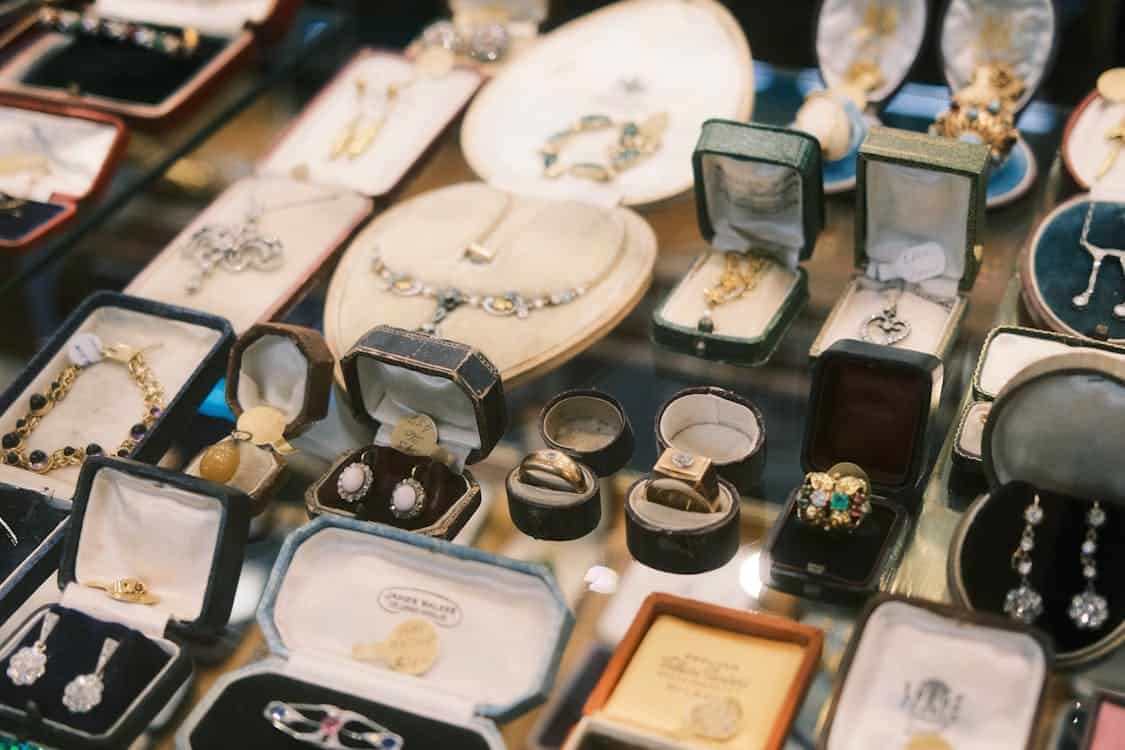
Jewelry drives a steady portion of demand, with artisans favoring gold for color and prestige and silver for affordability and versatility. Beyond adornment, silver finds use in solar panels, medical tools, and circuit boards while gold serves as reliable contacts and corrosion resistant connectors in high end electronics.
Those industrial needs add a pragmatic layer to emotional and cultural appeal, creating multiple channels of demand that can act independently. When fashion shifts or a new technology appears, one channel can rise while the other holds steady, keeping overall demand resilient.
Store Of Value And Inflation Hedge
Many people hold gold and silver to preserve purchasing power during times when paper money weakens or interest rates fall, viewing the metals as a backup form of wealth. Central banks and private investors both keep reserves because the metals retain intrinsic worth and are not promises issued by a single issuer.
Holding physical metal means owning an asset that cannot be printed at will, and that scarcity of new metal supply supports the role as a store of value. Markets do move up and down, but the metals appeal to those who want an asset that has long term staying power.
Market Demand And Price Discovery
Prices form where buyers and sellers agree, and that process happens in many venues including commodity exchanges, over the counter trades, and retail shops. Speculators, long term investors, jewelry makers, and industrial buyers all participate, each group reacting to different signals like interest rates, technology trends, and fashion.
Public price discovery mechanisms translate those varied flows into the spot price that people follow in headlines and charts. When sentiment shifts or new information arrives, prices can swing quickly, reflecting the collective choices of many actors.
Mining And Production Limits
Extracting gold and silver requires exploration, heavy equipment, skilled labor, and environmental permitting, all of which add to production cost and slow responses to demand shifts. Ore grades decline with time at many historic sites, so miners must go farther or process more material to yield the same amount of metal.
That rising cost of production places a floor under supply growth and often makes additional output uneconomical unless prices climb. The geological and logistical limits on mining mean supply is relatively inelastic compared with many manufactured goods.
Purity And Measurement Standards
Gold quality is commonly expressed in karats or fineness, with most jewelry sold in levels like 24 karat, 18 karat, or 14 karat, while bullion is graded for purity in parts per thousand. Silver uses a similar system where sterling marks a widely accepted standard for jewelry and higher fineness numbers apply to investment bars and coins.
Clear standards let buyers trust what they purchase, and strong assay practices reduce fraud and uncertainty that would otherwise damp demand. Trusted certification and stamps make transactions smoother and help convert the metal into a widely accepted medium of exchange or store.
Investment Forms And Liquidity
Investors can buy physical coins, bars, or jewelry, or they can gain exposure via certificates, futures contracts, and exchange traded funds that track metal prices. Physical items can be taken home and have emotional appeal, while paper linked instruments offer easier storage and faster trading, each format carrying trade offs in cost, convenience, and security.
For those seeking reliable transactions and expert guidance, working with a reliable dealer for gold and silver assets can help ensure secure purchases and smooth liquidity.
Liquidity varies by form and market: well known coins and bullion bars trade readily, while ornate jewelry may take time to sell at a fair price. A diverse set of options lets market participants match their needs, whether they want immediate access to cash or a tangible asset that sits on a shelf.
