

An efficient heating ventilation and air conditioning system delivers comfort with less wasted energy and fewer surprises on the monthly bill. Efficiency is not a single number but a blend of components controls installation and the building they serve working together.
People who buy or maintain these systems often focus on labels and price yet the real gains come from matching capacity to need and keeping airflow and controls tuned.
What Efficiency Means For HVAC
Efficiency refers to how much heating or cooling output is produced for each unit of energy consumed and that relationship shows up in several familiar ratings.
You will see seasonal energy efficiency ratio abbreviated SEER for cooling and heating seasonal performance measured with terms like HSPF for heat pumps and AFUE for fuel burning furnaces.
Those metrics are useful because they compress a lot of lab measured behavior into a single figure but real world numbers depend on installation quality and operating patterns. Cut to the chase, a higher rating usually buys lower running cost but it does not guarantee excellent comfort unless other elements are in place.
Right Sizing And Load Calculation
An oversized system short cycles, starting and stopping frequently, which saps efficiency and shortens life while an undersized unit runs continuously and struggles to hit setpoints.
Load calculations estimate heat gains and losses from walls windows occupants lighting and appliances and they produce the capacity target that keeps runtime in a healthy band.
Good load work accounts for orientation shading and local climate so the result matches the true heating and cooling need rather than a rule of thumb. When capacity matches load, the system spends more time operating at steady output and less time wasting energy on frequent starts and stops.
Ductwork And Airflow Efficiency
Leaky ducts and poorly routed runs can throw away a surprising share of conditioned air as it moves from the system to the living space and back again.
Sealing seams insulating ducts in unconditioned spaces and minimizing abrupt bends improves pressure and keeps fans from working overtime while delivering better room level temperatures.
Balanced airflow through properly sized return and supply grills prevents localized hot or cold spots and helps the heat exchanger or coil operate in its intended range. Think of ducts as the circulation system for the house; if circulation is weak the heart of the HVAC has to work harder.
Refrigerant And Compressor Performance
Compressor design and refrigerant chemistry determine how much heat is moved per watt and newer combinations often beat older gear on both efficiency and noise.
Accurate refrigerant charge and clean condenser and evaporator coils are essential because a perfect compressor will still underperform if the heat transfer surfaces are fouled or starved of flow.
Leak repair and correct pressure tuning can restore dozens of percent of lost efficiency without replacing the whole unit, a classic case of small fixes producing big wins. Variable speed compressors offer stepped or continuous modulation so output tracks load more gently than fixed on off units and that behavior cuts energy use at part load.
Controls Thermostats And Smart Scheduling
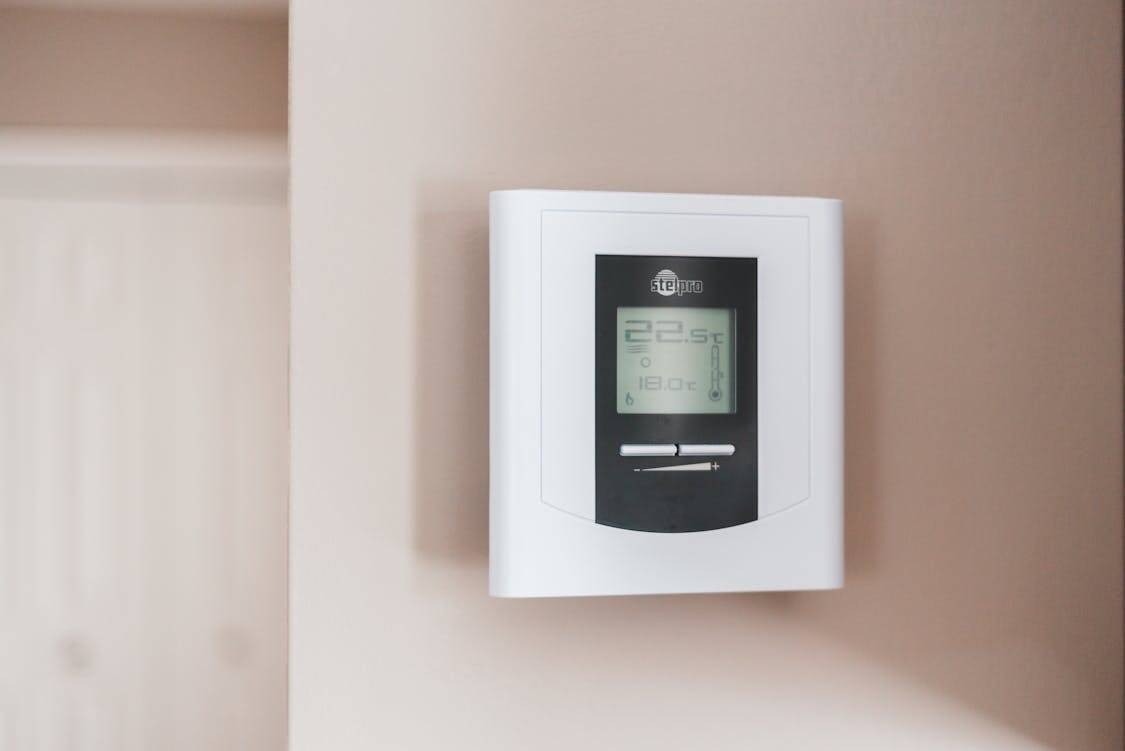
Thermostats that allow setback and scheduling reduce run hours by shifting comfort targets when spaces are empty, and that directly trims energy use.
For homeowners looking to upgrade their controls, a smart HVAC system installation in Tampa can bring both convenience and measurable savings. Smart controls add pattern recognition and remote sensing, which can prevent the system from fighting extremes and keep occupants comfortable without micromanaging settings.
Zoning with multiple thermostats and motorized dampers divides the building into areas with different needs and stops whole house conditioning when only a portion of the space is occupied. A good control strategy keeps equipment operating where its efficiency curve is strongest and avoids wasteful short cycling.
Maintenance And Filter Care
Regular preventive work keeps blower wheels heat exchangers coils and burners in clean condition and it protects nameplate efficiency from fast decline. Clogged filters reduce airflow which raises fan energy and stresses components, and swapping filters on a schedule is an inexpensive habit with measurable impact.
Seasonal checkups that include airflow measurement refrigerant pressure checks and safety inspections catch drift in performance long before a breakdown sends bills into the stratosphere. Small routine tasks often produce outsized benefits in system life and monthly energy draw.
Building Envelope And Insulation
The thermal barrier of walls ceilings windows and doors defines how much heating or cooling the HVAC must supply and weaker envelopes force larger and more active systems.
Improving insulation sealing leaks and upgrading windows cuts steady losses and can shrink both the capacity and runtime the mechanical system needs to provide.
Those shell improvements amplify the value of any efficient equipment because less load means the high efficiency parts work less and last longer while yielding the same comfort. In many cases modest envelope work yields a faster return on investment than swapping the mechanical system alone.
Ventilation Indoor Air Quality And Heat Recovery
Fresh air is essential for health but bringing in outside air increases the heating or cooling load so the choice of ventilation strategy matters for both comfort and energy. Heat recovery ventilators and energy recovery systems transfer sensible and sometimes latent heat between exhaust and incoming streams which reduces the net energy cost of fresh air.
Filtration controls and scheduled maintenance for ventilators keep the added mechanical work from becoming a source of inefficiency or indoor pollution. Pairing sensible ventilation rates with recovery technology keeps air healthy while limiting the hit to operating cost.
Installation And Contractor Quality
Even the best equipment can underperform if installed by a crew that skips testing balancing and proper charging procedures, and the installer is the single most important variable for achieving rated performance.
Field commissioning includes measuring airflow refrigerant charge static pressure and system control responses so the set up matches the equipment design and the building load.
A thorough installation often includes written test results and a commissioning checklist that owners can keep for future reference and baseline comparison. When the job is done right the system is quieter more stable and closer to the efficiency the manufacturer promises.
