
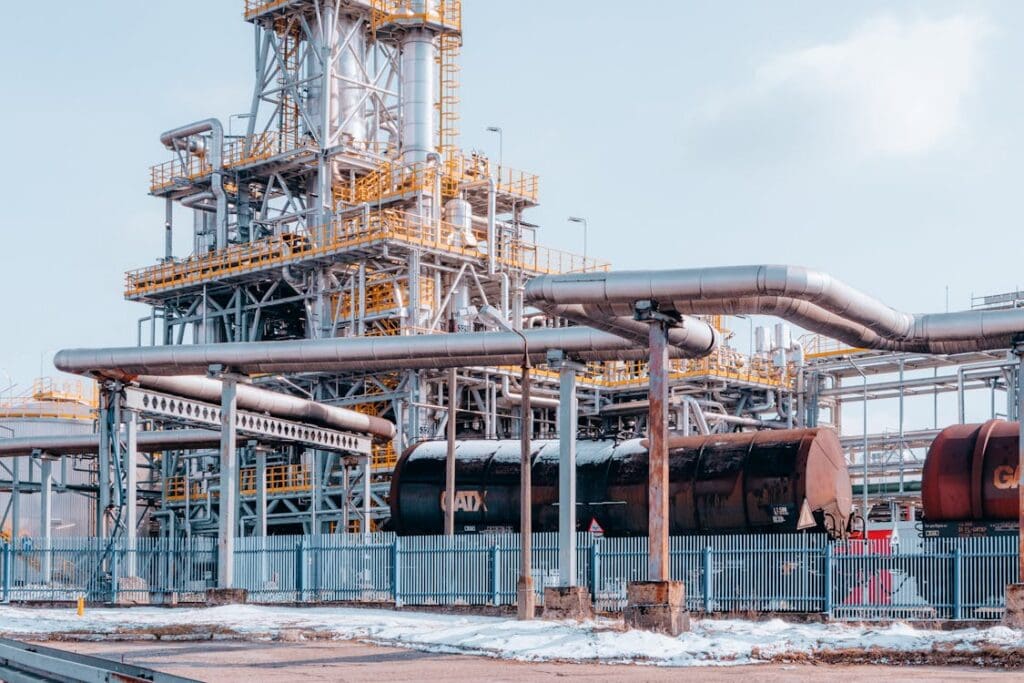
Corrosion can quietly shorten the life of a pipeline, and operators meet that threat with many familiar and some less familiar tactics. Layers of protection are common, so a scratch or a leak is rarely the end of the story.
Engineers and field crews aim to keep metal dry, electrically balanced and cleaned, using tools that range from paint to tiny sensors. In offshore wells, a properly installed Conductor Pipe provides the initial structural barrier that supports casing and helps prevent early exposure to corrosive seawater.
Protective Coatings
A coating is the first line of defense that keeps air and water away from bare steel, acting like a raincoat for metal. Different recipes such as fusion bonded epoxy, polyolefin wraps and multi layer paints stick to the steel and block corrosive agents for long stretches.
Proper surface prep and careful application matter almost as much as the coating itself because a pinhole or an unclean surface lets trouble in. Teams often inspect coating thickness and adhesion with handheld gauges to catch weak spots before they become a problem.
Cathodic Protection
Cathodic protection uses electricity to stop steel from giving up its metal ions, which is the root of corrosion in many environments. One method places sacrificial anodes made of zinc or magnesium along the pipe so they corrode instead of the pipeline, while another uses an external power source to drive protective current through impressed current systems.
Current flows are adjusted and monitored so the pipe stays on the safe side of the electrochemical balance, and stray current can be managed with careful grounding. Field surveys and reference cells help technicians tune the system and spot areas that need attention.
Material Selection
Choosing the right metal and internal lining can remove whole classes of corrosion risks from the start, and smart material choice pays off over the long haul. Low alloy steels, stainless families and clad components are used where conditions are harsh, while carbon steels with protective linings work well when fluids are cleaner.
Internal linings such as epoxy or cement mortar keep corrosive liquids and water away from the structural metal, and weld practice influences performance at joints and transitions. Metallurgy, the handling of impurities and heat treatment all shape how a pipe resists attack over decades.
Internal Corrosion Control And Pigging
Pipelines often carry mixtures that separate, leaving water, sediments and salts on the low side where they eat metal from the inside, and routine pigging clears those deposits. Scraping pigs, foam pigs and smart pigs can remove scale and build up material, and operators send chemical inhibitors into the flow when corrosion chemistry looks risky.
Keeping free water to a minimum and setting flow rates so liquids do not settle are practical habits that pay dividends. Regular pig runs combined with chemistry checks reduce surprises and let operators plan targeted work rather than guesswork.
Corrosion Monitoring And Inspection
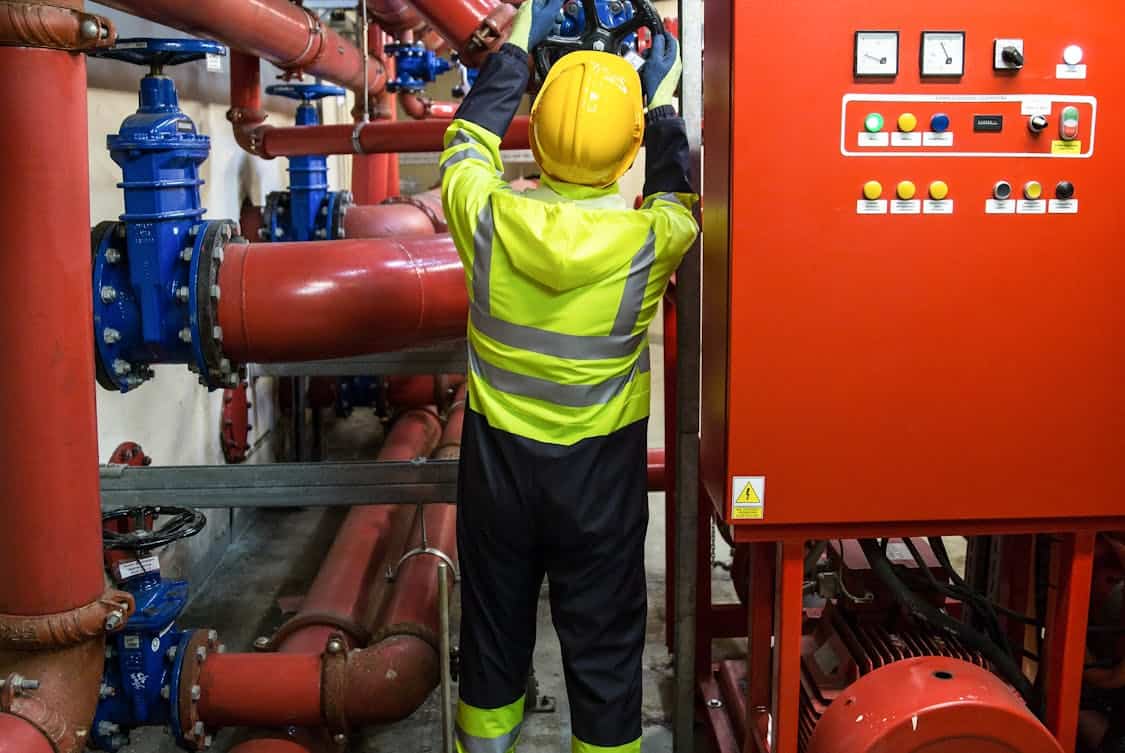
Detection beats disaster because corrosion that is measured can be managed, and a mix of inline tools and external sensors makes that possible. Magnetic flux leakage and ultrasonic tools ride inside the flow to map wall loss while external coupons, probes and remote sensors track local conditions on buried or submerged runs.
Data from smart tools are compared over time so trends stand out and teams can schedule repair work before leaks occur. A solid inspection program is like a health chart for the pipe line, showing weak spots and confirming which defenses are working.
Environmental And Fluid Management
Changing what touches the metal is a simple path to longer life, so treating the fluid and controlling the surroundings is common practice. Dehydration, gas removal and chemical dosing with corrosion inhibitors change the inner chemistry so that ions and microbes lose their bite.
On the outside, drainage, coatings and careful burial depth reduce wetness and ground shifts that stir up damage. Weather and soil chemistry vary a lot, so local measures are picked to match each stretch of line.
Design And Joint Protection
The way a pipeline joins and bends often dictates where corrosion will first take hold, so good detail work at welds, flanges and transitions pays off. Sleeves, insulating joints and welded transitions can keep galvanic couples from forming and stop crevice corrosion at connections.
Gentle geometry, avoidance of water traps and thoughtful routing reduce places where dirt and moisture gather. When a joint must be exposed, the choice of gasket material and coating overlap helps the assembly behave more like the pipe than a weak link.
Maintenance And Repair Practices
Routine hands on care keeps small problems from growing into costly leaks, and crews follow schedules for recoating, anode replacement and surface repair that match environmental wear. Quick response to mechanical damage, such as from excavation or rock shifts, prevents corrosion from gaining a foothold where the metal is already hurt.
Hot work, clamps and localized reinforcement restore strength while minimizing downtime, and records track the life cycle of repairs so similar trouble does not repeat itself. A worn bolt or thin patch found today is a saved headache tomorrow.
Standards And Regulations
Codes and standards from national and international bodies set common expectations for materials, testing and safety so that a given pipeline meets an accepted baseline. Operators follow published methods for design, welding qualification and monitoring to keep liability low and performance high.
Inspection intervals and reporting rules create a rhythm that pushes upkeep beyond hope and into routine, which is where long lives are earned. Audits and third party checks add another pair of eyes and reduce the chance of unnoticed drift.
New Technologies And Research
Sensors that stream data, robots that crawl inside rough sections and coatings that self heal are changing how corrosion gets managed in the field. Machine learning helps spot subtle patterns in inspection records so teams can act before visible loss appears, and new anode chemistries last longer with less maintenance.
Research into microbe influenced corrosion and smarter inhibitors keeps refining the playbook for hard spots. The trick is to pick the right blend of new tools and proven practice so maintenance budgets stretch farther without cutting corners.
