

Storm damage sets off a predictable pattern of behavior among homeowners. Within hours of a hailstorm or severe wind event, people start searching their phones for a roofer near them, often while standing in their driveway assessing the damage themselves. That narrow window, roughly the first two days after a storm, is when accurate local business information carries the most weight. Someone looking for roofing in Austin may move directly from a map result to a phone call, making accurate addresses, hours, and contact details especially important after a storm.
The same pattern shows up in other emergency and near-emergency purchase categories, from plumbers to towing services to urgent medical care. When a decision has to be made quickly and the stakes feel high, people lean heavily on whatever information is fastest to find, and that puts enormous pressure on that information being correct the first time.
It is also when listing errors do the most damage. A wrong phone number or an outdated service area on a business profile costs more than a single lead. During a concentrated storm-response period, it can send dozens of urgent searchers toward a competitor instead.
Search platforms compound this dynamic because they surface options ranked by proximity, completeness, and apparent reliability all at once. A listing with a wrong address misleads the homeowner who clicks it, and it can also skew the ranking signals that determine whether the business shows up prominently for nearby searches in the first place.
Most Consumers Have Already Been Burned by Bad Listing Data
Inaccurate business information is far more common than most homeowners realize, and it shapes how people react when something doesn’t match. A BrightLocal survey of consumers found that 85 percent of people encountered incorrect or incomplete information on a business listing within a twelve-month period, and 77 percent saw conflicting details for the same business across different platforms.
That same BrightLocal research found that 63 percent of consumers would avoid using a business after discovering inaccurate listing details, and wrong addresses alone cost 60 percent of respondents’ trust outright.
Those numbers describe ordinary shopping behavior, not emergency behavior. A homeowner calmly comparing options over several days might tolerate a small discrepancy. A homeowner searching under storm-damage pressure, with water actively entering their attic, has far less patience to verify a mismatched address or call a disconnected number.
The same research identified specific error types that erode trust fastest. Incorrect phone numbers caused 66 percent of respondents to lose confidence in a business, while poor-quality or outdated photos cost businesses trust with 45 percent of consumers, suggesting that even seemingly minor listing details carry real weight in a first impression.
Hours, Service Area, and Address Carry Outsized Weight During a Storm Surge
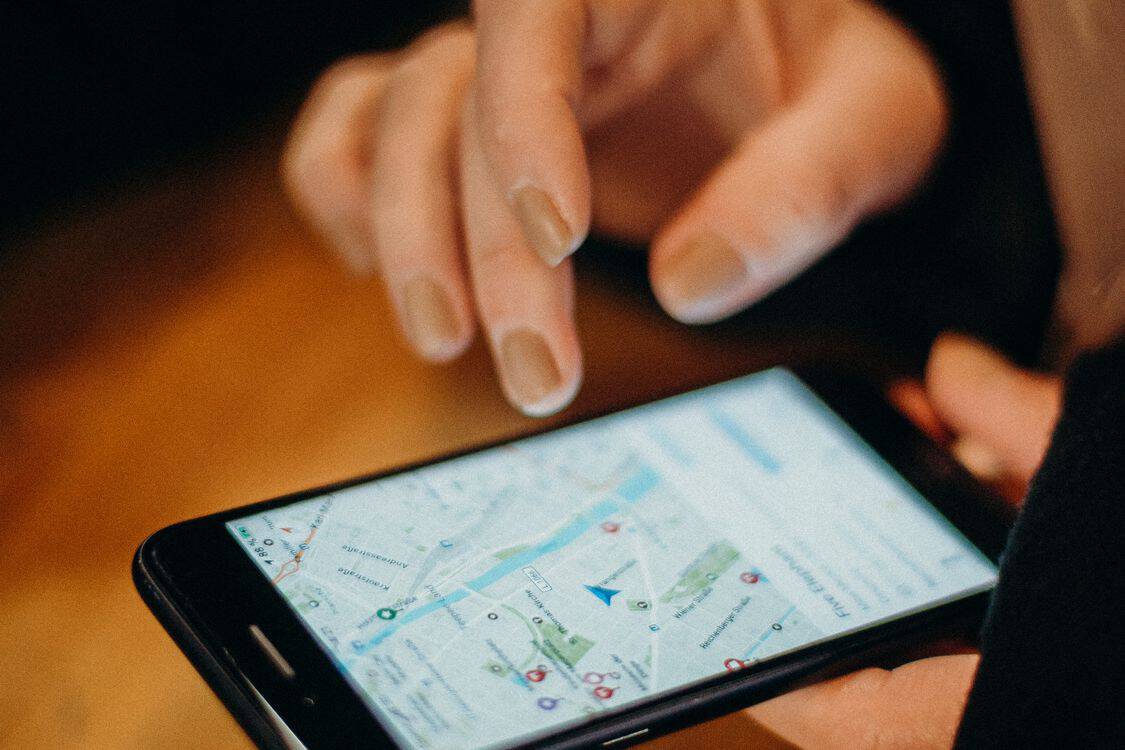
Three fields matter disproportionately in the immediate aftermath of a storm: whether a business is actually reachable right now, whether it serves the caller’s specific neighborhood, and whether its listed address and contact details are current. Any one of them being wrong can eliminate an otherwise qualified local company from consideration in seconds, before a homeowner ever picks up the phone to ask a follow-up question or double-check what they just saw on the screen.
Service-area accuracy is particularly relevant across a metro as spread out as Austin. A listing that fails to clearly indicate coverage of Round Rock or Westlake and West Austin can cause a homeowner in those areas to assume, incorrectly, that a company doesn’t serve them, even when it does.
Hours are the other frequent failure point. A listing that shows a business as open when it is actually operating on storm-adjusted hours, or closed when it has in fact expanded hours to handle emergency calls, sends exactly the wrong signal at exactly the wrong moment.
Multiple platforms compound the risk further. A homeowner might check a map app, a search engine result, and a review site in quick succession while comparing roofers, and any disagreement between those three sources about hours or service area reads as a red flag even when the underlying business is fully operational and ready to help.
Storm Surges Compress the Decision Window Homeowners Normally Take Their Time On
Outside of storm season, choosing a roofer is typically a multi-day process involving several quotes and some comparison shopping. A concentrated storm event collapses that timeline; homeowners frequently want someone on the roof, or at least on the phone, within hours, not days.
That compression changes what “good enough” looks like for a business listing. A minor inconsistency that would barely register during a routine home-improvement search becomes a disqualifying red flag when a homeowner is triaging active water intrusion and simply moves to the next search result.
The pattern also compounds across a single storm event. Because so many homeowners in the same affected area are searching at once, a single listing error doesn’t cost one lead. It gets amplified across the entire pool of storm-driven searches happening in that window, which makes listing accuracy far more consequential during a storm surge than under ordinary business conditions.
For homeowners working through that compressed window, the practical lesson is to cross-check whatever listing they’re relying on rather than assuming any single source is current. For local businesses, the same storm surge that creates urgent demand also creates the least forgiving conditions imaginable for even a small, outdated detail on a public listing.
Disaster-adjacent scams and misinformation tend to spike after severe weather, which is its own reason to verify who you’re contacting before letting anyone onto a damaged roof. Accurate listings cut both ways here. They keep legitimate local businesses from getting overlooked, and they help homeowners steer clear of the less scrupulous storm chasers who show up after every major hailstorm looking for a quick payday before moving on to the next damaged neighborhood.
