

Disabled care services touch the fabric of towns and cities by supporting people with varied needs and providing practical assistance that keeps everyday routines intact and meaningful. They help neighbors maintain dignity while taking part in schooling, work, leisure and community events, which makes public life richer for everyone involved.
Communities that invest in reliable supports often notice stronger bonds among residents, clearer paths to participation and fewer sudden crises that strain local resources. When help arrives in a steady and thoughtful way, families feel less alone and the slow work of building trust and mutual aid moves forward.
1. Social Inclusion And Community Cohesion
Care services make it easier for people with limb differences, sensory variations or learning needs to join clubs, classrooms and market places by removing small but persistent obstacles that block access. Regular support can address transport, communication and practical barriers before they turn into exclusionary roadblocks that push talented people to the sidelines.
This is why many families seek customised support for individuals with disabilities, as it helps overcome barriers in a way that feels personal and effective.
When neighbors meet at local events, share meals or attend a workshop together, social bonds grow in ways no single institution can manufacture on its own. That sense of being part of a group, of belonging and contributing, feeds a shared life that benefits everyone on the street and beyond.
Inclusive programs change public attitudes by putting competence and agency in view, showing that many limitations can be met with small adjustments and common sense planning. Seeing examples of capability makes employers, shop owners and other residents rethink assumptions and design spaces that welcome a broader range of users.
People start to speak and act in kinder, more practical ways, while urban planners and managers build routes and services that fit a wider picture. Small adjustments accumulate; over months and years the neighborhood becomes more cohesive and friendly.
2. Economic Benefits And Local Employment
Services create direct work for care workers, coordinators, therapists and technicians who often live in the same towns where they serve, keeping wages and skills local. Those wages circulate through shops, taxis, barbers and cafés, adding stability to micro economies that otherwise run on thin margins.
Employers who open their doors to talented people with disabilities often find loyal staff, varied problem solving styles and new perspectives that sharpen team performance. The economic ripple can reach suppliers and subcontractors, helping small firms plan for steady demand and invest in training.
Predictable support reduces emergency calls and crisis interventions, which cuts heavy medical costs and frees up scarce funds for preventive programs. When hospital admissions fall and rehabilitation needs shrink, the pressure on public budgets eases and planners can shift attention to long term care strategies.
Families with reliable help are less likely to give up paid work or burn out, which keeps household income steady and tax receipts flowing. Both public accounts and private budgets run smoother when fewer unexpected shocks hit the system.
3. Health And Well Being Support
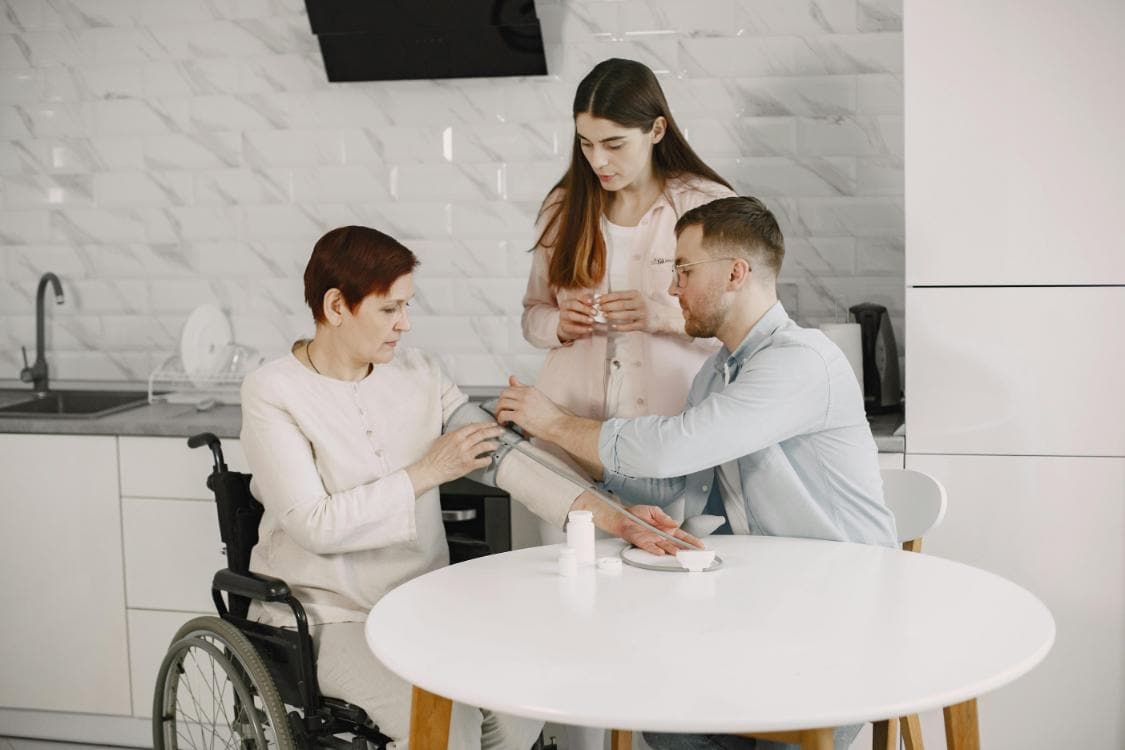
Skilled care workers provide more than hands on support; they notice subtle signs of discomfort, medication effects or emotional strain and act before conditions worsen, which lowers long term risk. That kind of early attention reduces the chance of long hospital stays and often shortens recovery periods when problems do appear.
Simple routines like scheduled visits, tailored therapy sessions and clear medication plans create a predictable rhythm that keeps people safer at home and more confident about daily tasks. A calm professional at the right moment can change a health story across months and sometimes across whole life spans.
Mental health benefits when individuals feel seen and supported rather than isolated, and regular contact gives carers a chance to offer practical coping strategies and emotional backup. Respite options and shared activities give family members space to recharge, learn new skills and return to care roles with less strain.
Community groups that mix peer support and professional guidance create layers of protection against burnout and despair. Those layers protect individuals and the wider network of people who depend on one another.
4. Access To Public Services And Facilities
Accessible transport, clear signage and staff trained to respond help public services to become real options rather than distant ideas for many people. Without such adjustments, a trip to the clinic, library or job interview can become a long test of patience, energy and dignity.
When officials design services with a range of bodies and minds in mind, the result is higher usage, fairer outcomes and fewer complaints. That improved take up strengthens civic life and makes public programs more effective for everyone.
Schools that adopt support plans and workplaces that offer reasonable adjustments keep students and employees engaged instead of pushing them out through avoidable barriers. Technology combined with person centered help opens routes to learning, remote work and community participation that match local rhythms.
Councils and agencies that consult people who live with disability gain practical intelligence that improves budget choices and routing decisions. When more citizens can take part in public life, civic debate gains depth and democratic energy grows.
5. Empowerment And Personal Development
Care services teach practical skills such as money management, travel planning and self advocacy, routines that help people make choices and live on their own terms. Small wins in everyday tasks, like managing a bill or taking part in a meeting, aggregate into a durable sense of competence and freedom over months and years.
When service users have real say over the shape and timing of their care, the effect on morale and purpose is immediate and striking. Independence comes in degrees; steady backing helps people move toward goals that matter to them.
Peer groups, mentoring and local workshops provide models and tips that fit the neighborhood context and that feel achievable. Learning from another person who has lived through similar challenges often carries more weight than written guidance, and that plain truth accelerates uptake.
A single empowered person can inspire friends and neighbors to try new activities or to seek support, creating a chain of small but meaningful changes across a street or town. Confidence spreads and practical resourcefulness becomes part of the communal toolkit.
